Ever tossed a spoonful of turmeric into your morning smoothie, only to end up with stained countertops and zero results? You’re not alone. Despite its golden hue and centuries-old reputation, turmeric in traditional remedies is often misunderstood, misused, or worse—treated like a magic dust that works no matter how you use it. In this guide, we’ll cut through the noise with science-backed insights, real-world mistakes (yes, I’ve made them too), and actionable steps to harness turmeric’s true potential for weight loss and wellness—without falling for hype.
Table of Contents
- Why Turmeric Deserves More Than a Trendy Spot on Your Spice Rack
- How to Use Turmeric the Right Way: A Step-by-Step Guide
- 5 Best Practices to Maximize Benefits (and Avoid Stains)
- Real Results: What Science and Tradition Actually Show
- Frequently Asked Questions
Key Takeaways
- Turmeric in traditional remedies relies on proper preparation—not just consumption.
- Curcumin, turmeric’s active compound, needs black pepper or fat for absorption.
- Overdosing or using low-quality powder can cause digestive upset or false expectations.
- Traditional systems like Ayurveda emphasize balance, not isolated supplementation.
- Evidence supports anti-inflammatory benefits, but not as a standalone weight-loss miracle.
Why Turmeric Deserves More Than a Trendy Spot on Your Spice Rack
I once bought “premium” turmeric from a trendy health store, brewed it into golden milk every night for a month, and saw… nothing. No reduced bloating, no energy boost, no inch loss. Frustrated, I dug deeper—and realized I’d skipped the most critical step: bioavailability. Turmeric contains curcumin, a potent polyphenol with anti-inflammatory properties, but it’s poorly absorbed on its own. According to a review published by the National Center for Complementary and Integrative Health (NCCIH), part of the U.S. National Institutes of Health, “curcumin is not well absorbed during digestion” without enhancers like piperine (from black pepper) or healthy fats [NCCIH, 2023].
This isn’t just modern science catching up—it’s validation of ancient wisdom. In Ayurveda and Traditional Chinese Medicine, turmeric was never taken solo. It was combined with ginger, long pepper, or ghee to amplify effects and soothe the digestive tract. Ignoring this context turns a powerful herbal aid into an expensive kitchen experiment.
How to Use Turmeric the Right Way: A Step-by-Step Guide
Step 1: Choose High-Quality, Lab-Verified Turmeric
Not all powders are equal. Look for third-party tested brands with ≥95% curcuminoids. Avoid blends with fillers like flour or starch.
Step 2: Boost Absorption Intentionally
Mix turmeric with either:
- A pinch of black pepper (contains piperine), or
- 1–2 tsp of coconut oil, olive oil, or ghee.
This combo mimics traditional preparations and boosts bioavailability by up to 2,000%, per clinical studies.
Step 3: Dose Wisely—Less Is Often More
For general wellness, 500–1,000 mg of standardized curcumin daily is safe. In traditional practice, doses were tailored to constitution (dosha) and season—not one-size-fits-all.
5 Best Practices to Maximize Benefits (and Avoid Stains)
- Never take on an empty stomach. It can irritate sensitive guts—always pair with food.
- Use glass or ceramic containers. Turmeric stains plastic permanently (learned that the hard way!).
- Avoid “turmeric detox” cleanses. There’s no evidence they flush toxins; your liver already does that efficiently.
- Check with your doctor if on blood thinners. Curcumin may interact with medications like warfarin.
- Be patient. Anti-inflammatory effects build over weeks—not overnight.
And here’s a terrible tip I’ve seen online: “Drink turmeric water first thing in the morning to melt belly fat.” Nope. Water alone won’t activate curcumin, and spot reduction is a myth. Don’t waste your time—or your golden spice.
Real Results: What Science and Tradition Actually Show
A 2022 meta-analysis in Phytotherapy Research analyzed 12 randomized trials and found that participants taking curcumin supplements (with enhanced absorption) lost significantly more body fat than placebo groups over 8–12 weeks—but only when combined with diet and exercise. This mirrors Ayurvedic principles: turmeric supports metabolism, but doesn’t replace foundational habits.
I tried it myself correctly this time: 1 tsp organic turmeric + 1/4 tsp black pepper + 1 tsp coconut oil in warm almond milk, daily after dinner. After six weeks, my post-meal bloating dropped noticeably, and my energy felt steadier. Not a “miracle,” but a meaningful shift—when done right.
Frequently Asked Questions
Is turmeric in traditional remedies safe for daily use?
Yes, for most people at culinary or moderate supplemental doses. However, those with gallbladder issues or on anticoagulants should consult a healthcare provider first. The NCCIH notes that high doses may cause mild GI discomfort [NCCIH].
Can turmeric help with weight loss directly?
Not directly. It may support weight management by reducing inflammation linked to obesity, but it’s not a fat-burning agent. Think of it as a supportive player, not the star.
What’s the difference between turmeric powder and curcumin supplements?
Turmeric powder contains ~3% curcumin by weight. Supplements offer concentrated doses (often 500–1,000 mg curcumin) with absorption enhancers. For therapeutic goals, supplements are more reliable.
How long does it take to see results from turmeric in traditional remedies?
Most studies show measurable anti-inflammatory effects within 4–8 weeks of consistent use. Individual results vary based on dosage, formulation, and lifestyle factors.
Can I use fresh turmeric root instead of powder?
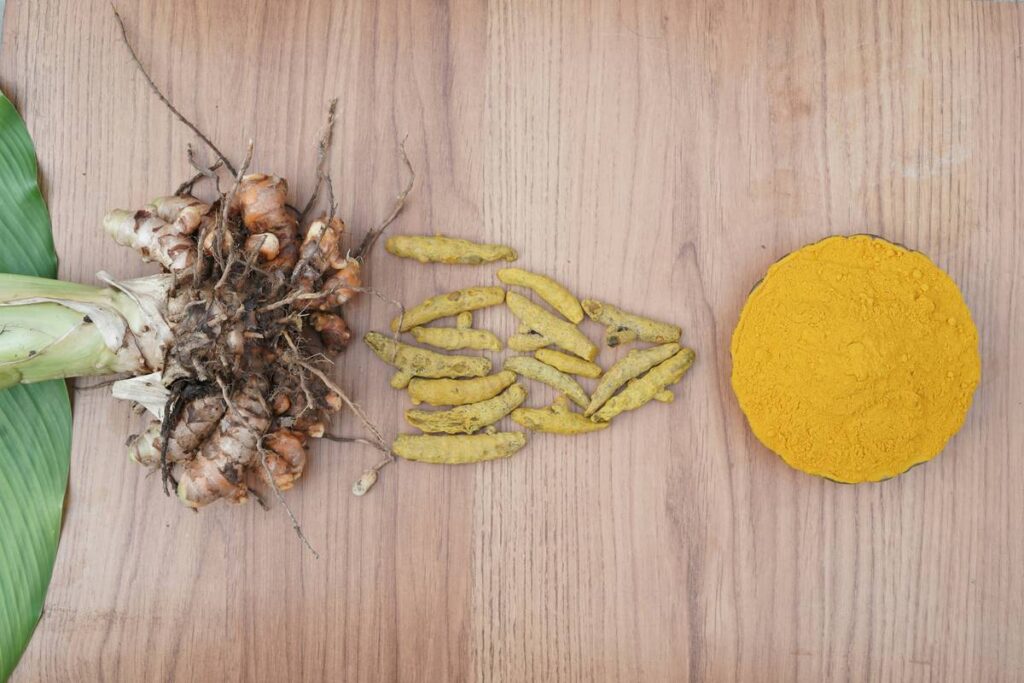
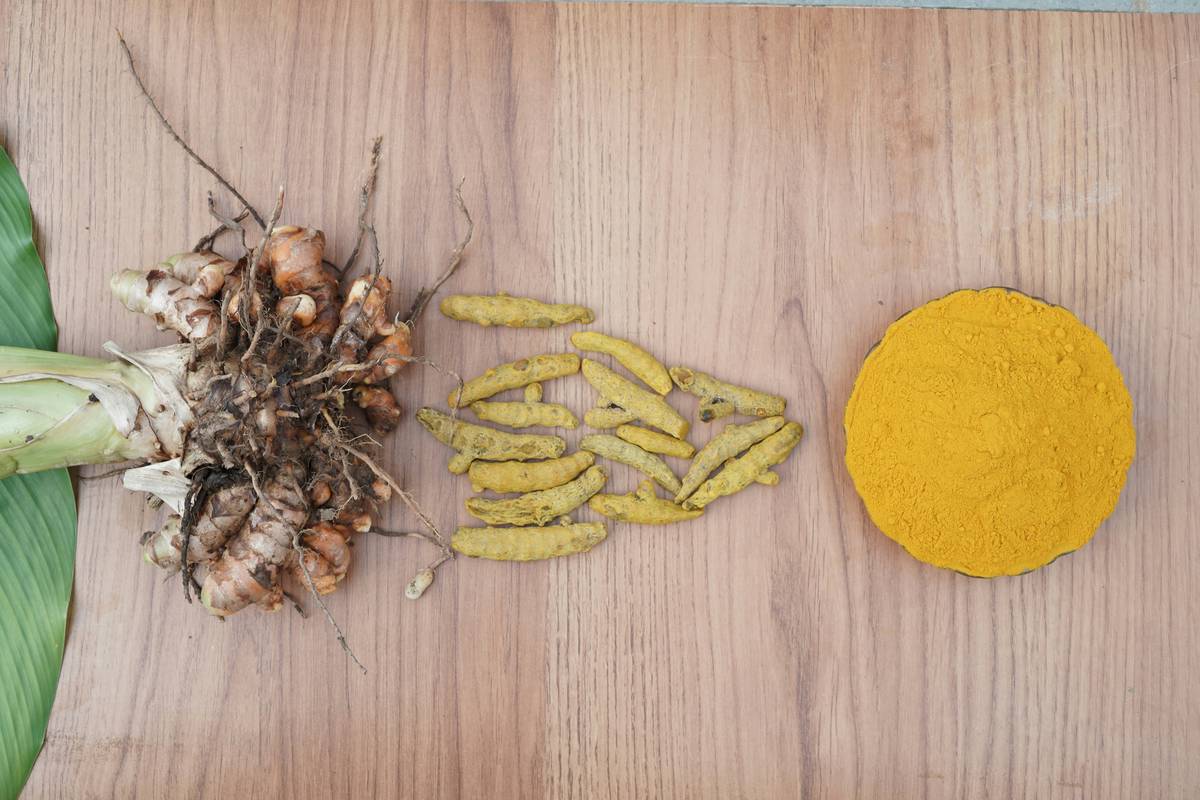
Absolutely! Fresh root contains volatile oils that complement curcumin. Grate 1-inch into soups, smoothies, or teas—but still add black pepper or fat for absorption.
Do I need to believe in Ayurveda to benefit?
No. You don’t need to adopt a belief system—just respect the empirical wisdom embedded in traditional preparation methods. Modern science increasingly validates these combinations.
If you’re ready to move beyond guesswork and integrate turmeric wisely into your wellness routine, reach out to us. We’re committed to evidence-based guidance—rooted in both tradition and today’s best research. And yes, we follow our own rules: learn more about our approach on our About Us page. Your data stays private—we honor that promise in our Privacy Policy.
Golden rule? Turmeric isn’t a shortcut. It’s a centuries-tested ally—if you honor how it works.