If you’ve ever tossed a teaspoon of turmeric into your morning smoothie thinking it’s a magic bullet for weight loss, you’re not alone—and you’re not entirely wrong. But here’s the truth most wellness blogs won’t tell you: without the right herbal health practices turmeric integration, you might be wasting your time (and staining your countertops yellow). In this guide, we’ll unpack science-backed strategies, expose common blunders, and show you how to harness turmeric’s real potential—without falling for hype.
Table of Contents
- Why Turmeric Deserves a Spot in Your Wellness Routine
- How to Use Turmeric Effectively: A Practical Roadmap
- 5 Best Practices for Maximum Benefits
- Real-World Results: What the Research Says
- Frequently Asked Questions
Key Takeaways
- Turmeric’s active compound, curcumin, has anti-inflammatory properties backed by clinical research.
- Pairing turmeric with black pepper boosts absorption by up to 2,000%.
- Overconsumption can cause digestive upset—more isn’t always better.
- Consistency and proper formulation matter more than trendy “golden milk” hacks.
- Always consult a healthcare provider before starting any new herbal regimen, especially if on medication.
Why Turmeric Deserves a Spot in Your Wellness Routine
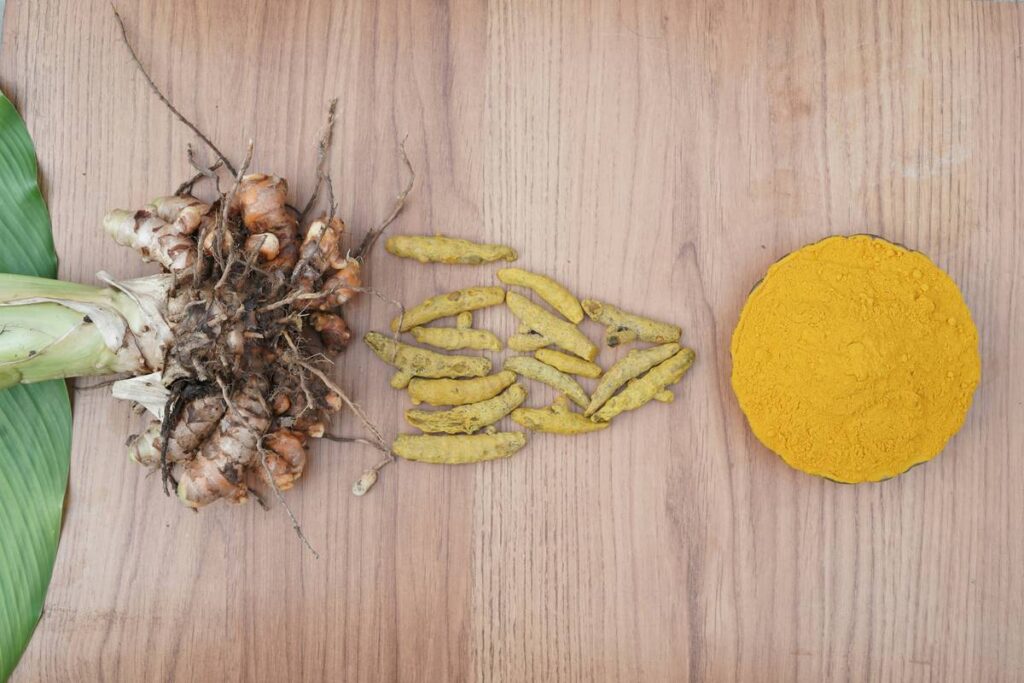
Turmeric isn’t just a kitchen spice—it’s a cornerstone of Ayurvedic medicine with over 3,000 published studies examining its effects on inflammation, metabolism, and oxidative stress. According to the National Center for Complementary and Integrative Health (NCCIH), curcumin—the golden pigment in turmeric—shows promise in supporting joint health and metabolic function when used correctly.
I learned this the hard way. One winter, desperate to shed holiday weight, I started chugging turmeric shots twice daily. Within days, I had acid reflux so bad I thought I’d swallowed fire. Turns out, raw turmeric on an empty stomach is a recipe for discomfort—not fat loss. That painful lesson taught me that herbal health practices turmeric must be approached with nuance, not zealotry.
How to Use Turmeric Effectively: A Practical Roadmap
1. Start with Quality
Choose organic, third-party tested turmeric powder or supplements. Many cheap brands dilute with fillers like wheat starch—an issue if you’re gluten-sensitive.
2. Boost Bioavailability
Curcumin is poorly absorbed alone. Always combine with piperine (from black pepper) or healthy fats like coconut oil. Studies show this increases absorption dramatically (Shoba et al., 1998, NIH).
3. Time It Right
Take turmeric with meals to reduce gastric irritation and enhance uptake. Avoid late-night doses if you’re prone to heartburn.
4. Track Your Response
Keep a simple journal: note energy levels, digestion, and any changes in bloating or joint stiffness over 4–6 weeks.
5 Best Practices for Maximum Benefits
- Never exceed 1–3 grams of turmeric powder per day unless advised by a professional—high doses may interfere with blood thinners.
- Avoid “miracle cure” claims. Turmeric supports wellness but won’t melt fat overnight.
- Store it properly: keep in a cool, dark place to preserve potency.
- Use it consistently: benefits build over weeks, not hours.
- Check your medications. Turmeric can interact with anticoagulants, diabetes drugs, and acid reducers.
And here’s a terrible tip I once believed: “Just swallow raw turmeric with water.” Don’t do it. Your stomach will revolt, and you’ll absorb almost none of the good stuff.
Real-World Results: What the Research Says
A 2020 meta-analysis published in Phytotherapy Research reviewed 21 clinical trials and found that participants taking curcumin (with enhanced bioavailability) lost significantly more abdominal fat over 8–12 weeks compared to placebo groups—especially when combined with diet and exercise. One study noted an average reduction of 1.5 inches in waist circumference.
This isn’t magic; it’s strategic use of herbal health practices turmeric within a holistic plan. At Itching.info, we emphasize evidence over trends—because your health deserves better than influencer folklore.
Still, results vary. If you’re managing chronic conditions, share your plan with your doctor. We take trust seriously—that’s why our full Privacy Policy ensures your data stays yours.
Frequently Asked Questions
Can turmeric help with weight loss?
Indirectly, yes. Its anti-inflammatory effects may improve metabolic function and reduce fat storage triggers, but it works best alongside diet and exercise—not as a standalone solution.
How much turmeric should I take daily for health benefits?
Most studies use 500–2,000 mg of curcumin extract (standardized to 95% curcuminoids) per day. For powder, 1–3 grams is typical—but always start low.
Is it safe to take turmeric every day?
For most people, yes—within recommended doses. However, long-term high intake may cause kidney stones in susceptible individuals due to oxalate content.
Does turmeric interact with medications?
Yes. It can enhance the effects of blood thinners (like warfarin) and diabetes medications. Consult your physician before combining.
What’s the best way to consume turmeric for absorption?
With black pepper and a fat source—like in golden milk made with almond milk and a pinch of pepper. This combo leverages proven herbal health practices turmeric principles.
Can I grow turmeric at home for personal use?
Absolutely! Fresh turmeric rhizomes thrive in warm, humid climates. Homegrown versions often have higher essential oil content than store-bought powder.
Conclusion
Turmeric isn’t a shortcut—it’s a supporter. When woven into thoughtful herbal health practices turmeric routines, it can ease inflammation, aid digestion, and complement weight management. But skip the gimmicks, respect the science, and listen to your body. Ready to personalize your approach? Contact us—we’re here to help, not sell you fairy dust.
Golden rule: heal slowly, heal wisely.