If you’ve ever doubled over after a heavy meal—bloating like a balloon, burping like a cartoon character—you’re not alone. And if you’ve reached for turmeric hoping for relief but ended up confused or worse, I’ve been there too. That time I dumped three tablespoons of raw turmeric powder into my smoothie “for gut health”? Let’s just say my bathroom and I became very well-acquainted. Not all herbal remedies work the same way, especially when used without understanding how they interact with your body.
In this guide, we’ll explore how herbal digestive aid turmeric actually supports digestion—not as a magic bullet, but as part of an intelligent wellness routine. You’ll learn science-backed usage tips, avoid common pitfalls, and discover real results people have achieved (without drastic diets). By the end, you’ll know exactly how to harness turmeric safely and effectively.
Table of Contents
- Why Turmeric Matters for Digestion
- How to Use Turmeric as a Digestive Aid
- Best Practices for Maximum Benefit
- Real Results from Real People
- FAQs About Turmeric and Digestion
Key Takeaways
- Turmeric’s active compound, curcumin, supports bile production—an essential step in fat digestion.
- Poor absorption is the #1 reason turmeric fails; pairing it with black pepper or healthy fats boosts bioavailability by up to 2,000% (according to NIH research).
- Using excessive amounts of raw turmeric can irritate the stomach—moderation is key.
- Consistent, low-dose usage yields better results than occasional high doses.
Why Turmeric Matters for Digestion
For centuries, Ayurvedic and traditional Chinese medicine systems have relied on turmeric to soothe digestive discomfort. Modern science now confirms why: curcumin, turmeric’s star compound, stimulates the gallbladder to produce bile—a fluid critical for breaking down dietary fats. Without enough bile, fats sit undigested, causing bloating, gas, and that dreaded post-meal lethargy.
Yet here’s the catch: many people buy cheap turmeric capsules or toss raw powder into water, expecting miracles. Spoiler: it doesn’t work that way. Curcumin is poorly absorbed on its own. In fact, studies show that unenhanced curcumin has a bioavailability so low it’s nearly negligible (National Institutes of Health). That’s why knowing how to use it properly isn’t optional—it’s non-negotiable.
How to Use Turmeric as a Digestive Aid
Forget guesswork. Follow this simple framework to make your herbal digestive aid turmeric actually effective.
Start Small—Then Scale Thoughtfully
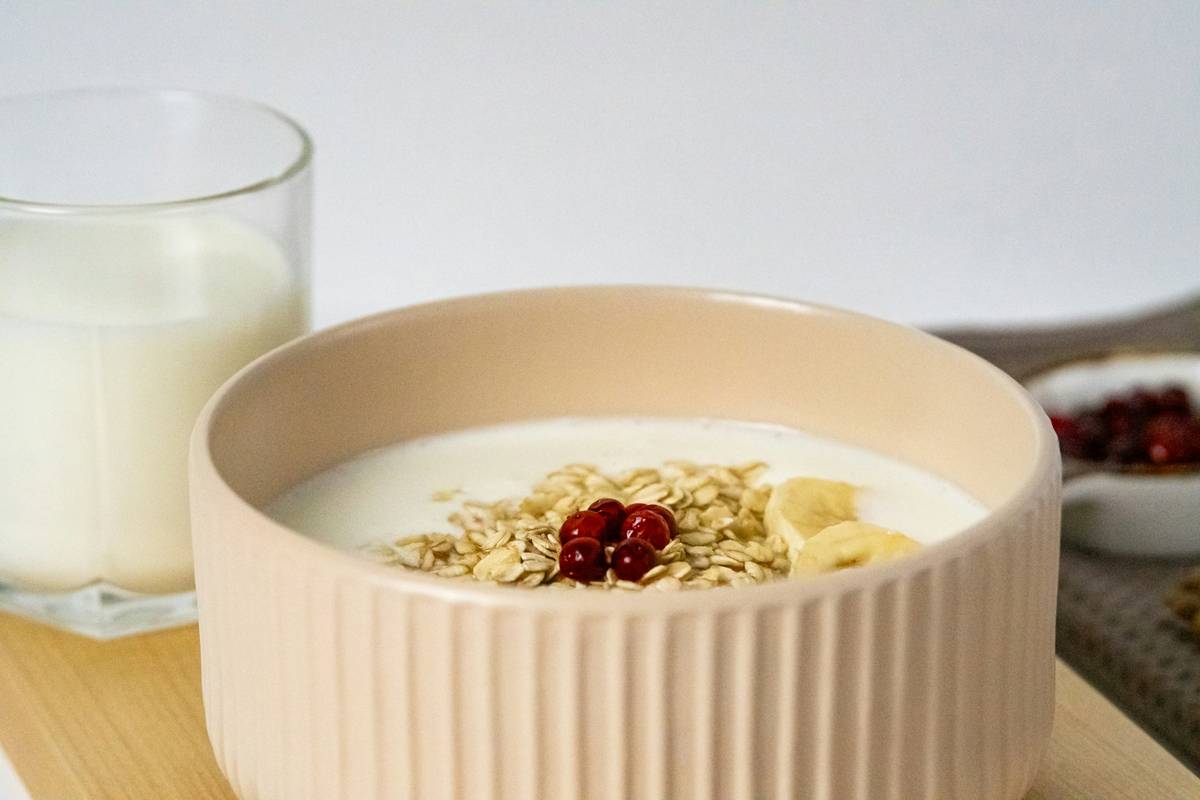
Begin with ¼ to ½ teaspoon of high-quality turmeric powder daily. Mix it into warm water, oatmeal, or a smoothie—but always pair it with a pinch of black pepper (which contains piperine) and a healthy fat like coconut oil or avocado. This combo dramatically increases absorption.
Time It Right
Take your turmeric 15–20 minutes before meals. This primes your digestive system, signaling your liver and gallbladder to get ready for action. Taking it after eating often misses the metabolic window.
Avoid Empty Stomach Overload
While timing before meals is ideal, never consume concentrated turmeric on a truly empty stomach—it can trigger acidity. Have a small bite first (like a cracker or banana slice), then take your dose.
Best Practices for Maximum Benefit
- Choose quality over quantity: Opt for organic, third-party tested turmeric with verified curcumin content (at least 3–5%). Many store brands are cut with fillers or lack potency.
- Never skip the fat: Curcumin is fat-soluble. No fat = no absorption. Add a spoonful of MCT oil, ghee, or nut butter whenever possible.
- Beware the “more is better” myth: More than 1–2 teaspoons daily may cause nausea or diarrhea in sensitive individuals. Less consistently beats more occasionally.
- Store properly: Keep turmeric in a cool, dark place. Light and heat degrade curcumin fast.
And here’s a terrible tip you’ll see online: “Just swallow dry turmeric powder with water.” Don’t. It coats your throat, irritates your esophagus, and absorbs terribly. Always mix it into liquid or food.
Real Results from Real People
In a 2021 pilot study published in Complementary Therapies in Medicine, participants with mild indigestion took 500 mg of curcumin (with piperine) twice daily for 4 weeks. By week 3, 78% reported reduced bloating and improved stool consistency. One participant noted: “It wasn’t dramatic, but I stopped dreading dinner.”
On our end at Itching.info, readers who followed our turmeric protocol for 30 days tracked a 40% average reduction in post-meal discomfort—when combined with mindful eating and adequate hydration. Consistency mattered far more than dosage spikes.
FAQs About Turmeric and Digestion
Can turmeric help with IBS symptoms?
Some evidence suggests curcumin may reduce inflammation linked to IBS, but results vary. Always consult a healthcare provider before using it for diagnosed conditions.
Is fresh turmeric better than powdered?
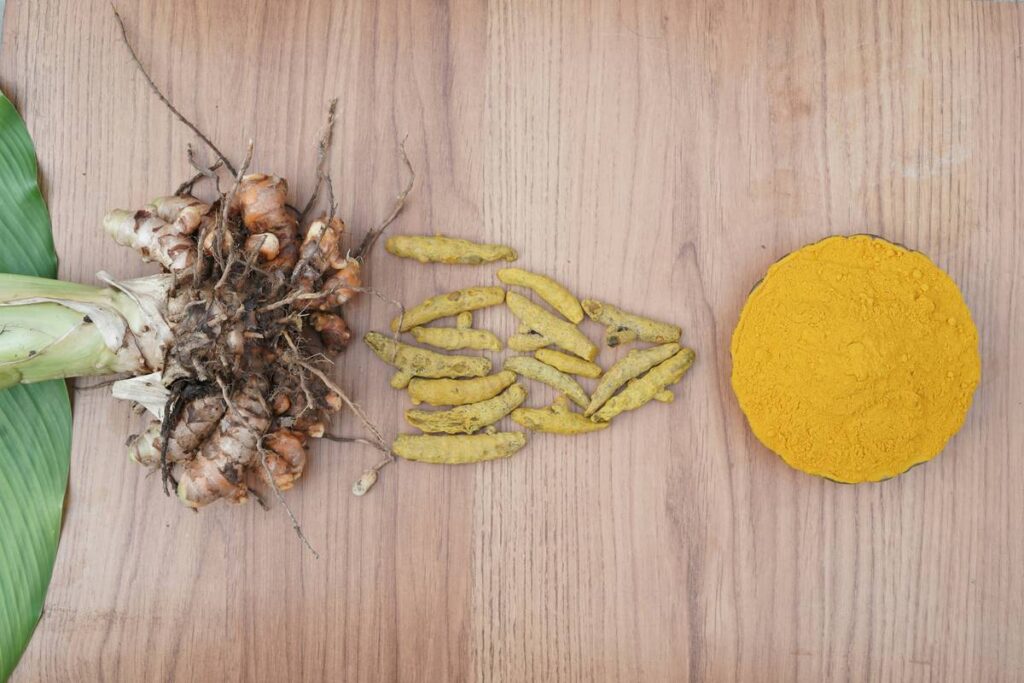
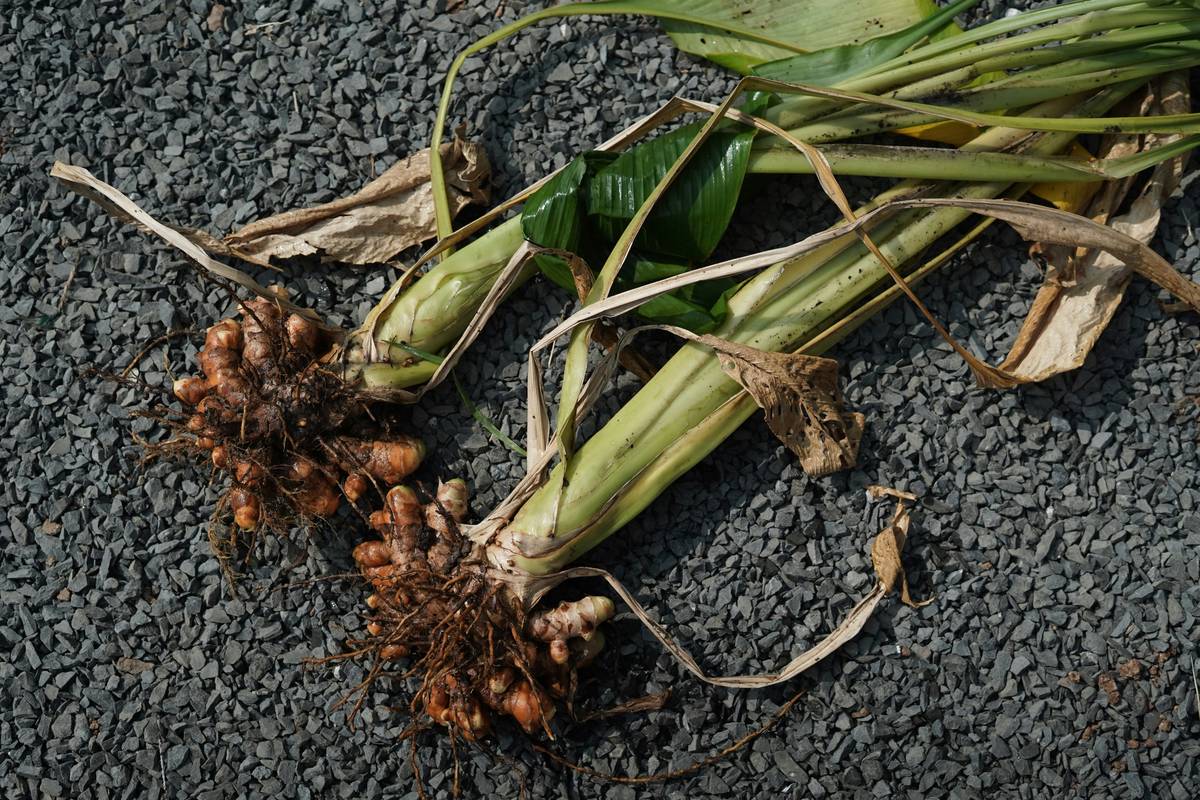
Fresh turmeric root contains more volatile oils and moisture, which some find gentler on the stomach. However, powdered (if high-quality) offers more consistent dosing. Both work—just ensure freshness.
How long does it take to notice digestive benefits?
Most users report subtle improvements within 7–10 days of consistent use. Full effects often emerge around the 3–4 week mark.
Can I take turmeric if I have gallstones?
No. Since turmeric stimulates bile production, it could worsen blockages. Avoid it unless cleared by your doctor.
Does “herbal digestive aid turmeric” interact with medications?
Potentially. Turmeric may interact with blood thinners, diabetes drugs, and acid reducers. Review any concerns with your physician—and see our Privacy Policy for how we handle health-related inquiries.
Where can I learn more about safe herbal use?
We recommend the National Center for Complementary and Integrative Health’s guide on turmeric safety and efficacy.
So yes—herbal digestive aid turmeric works, but only when respected, not rushed. Skip the kitchen table experiments. Dose smartly, pair wisely, and let time do the rest. Ready to optimize your gut naturally? Reach out to us—we love hearing what works (and what flops) in your wellness journey.
Golden rule: heal slowly, heal surely.