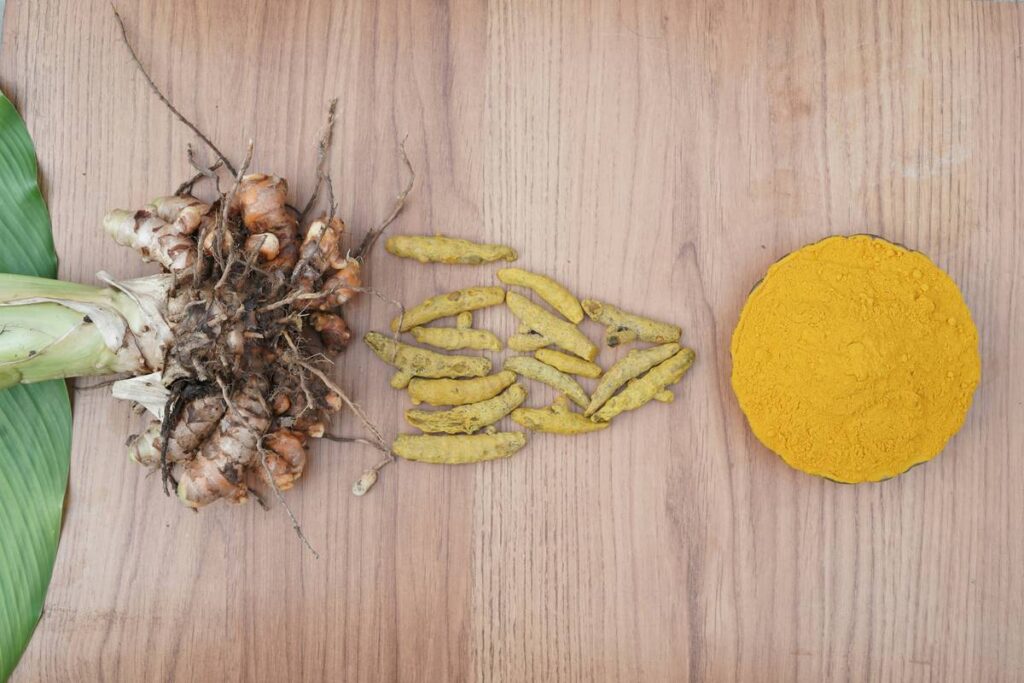
If you’ve ever sprinkled turmeric on scrambled eggs or gulped down golden milk hoping for a metabolism boost, you’re not alone—but are you using it the Ayurvedic way? Many people treat turmeric like a trendy superfood without understanding its traditional roots. The result? Missed benefits, wasted money, and sometimes even stomach upset. In this guide, we’ll unpack how turmeric in Ayurvedic medicine has been used for centuries not just for inflammation, but as a strategic ally in healthy weight management—and how to avoid the common pitfalls that sabotage results.
Table of Contents
- Why Turmeric Matters in Ayurveda
- How to Use Turmeric the Ayurvedic Way
- Best Practices for Maximum Benefit
- Real-World Results with Ayurvedic Turmeric
- Frequently Asked Questions
Key Takeaways
- Turmeric in Ayurvedic medicine is used holistically—not just as a supplement but as part of a personalized lifestyle plan.
- Overconsumption can cause digestive distress—more isn’t always better.
- Clinical studies support curcumin’s role in reducing obesity-related inflammation, per the National Institutes of Health.
Why Turmeric Matters in Ayurveda
In Ayurveda—the 5,000-year-old system of Indian holistic healing—turmeric (Haridra) isn’t just a spice; it’s a revered herb prized for balancing all three doshas (Vata, Pitta, Kapha), especially Kapha, which governs structure and lubrication and is often linked to weight gain when out of balance. Unlike Western approaches that isolate curcumin, Ayurveda emphasizes whole-root use combined with other herbs and dietary habits. This synergy enhances digestion (Agni), clears toxins (Ama), and supports metabolic clarity—key factors in sustainable weight loss.

I learned this the hard way. Eager to shed post-pandemic weight, I started taking 2 teaspoons of raw turmeric powder daily in water. Within days, my stomach felt like it hosted a wrestling match. Turns out, I ignored Ayurvedic wisdom: turmeric should never be taken alone or on an empty stomach. It needs carriers like ghee, honey, or black pepper (piperine) to activate and soothe. Lesson learned: tradition exists for a reason.
How to Use Turmeric the Ayurvedic Way
Start with Your Dosha
Ayurveda tailors turmeric use based on your constitution. Kapha-dominant individuals (typically sturdy, calm, prone to sluggish metabolism) benefit most from warm turmeric tea with ginger. Pitta types (fiery, intense) should use it sparingly with cooling agents like coconut milk to avoid overheating.
Prioritize Bioavailability
Curcumin—the active compound in turmeric—is poorly absorbed. Ayurveda solves this naturally: combine turmeric with:
- Black pepper (boosts absorption by up to 2,000%, according to a study published in Planta Medica)
- Healthy fats like ghee or coconut oil
- Heat (as in cooked dishes or brewed teas)
Dosage Discipline
Stick to ¼–½ teaspoon of high-quality organic turmeric per serving, 1–2 times daily. More isn’t medicinal—it’s irritating.
Best Practices for Maximum Benefit
- Never take turmeric on an empty stomach. It can aggravate acidity.
- Avoid “turmeric shots” sold at juice bars. Many contain excessive doses with no bioavailability enhancers—this is the terrible tip! Skip these overhyped, under-engineered trends.
- Pair with mindful eating. Ayurveda sees weight loss as a byproduct of balanced digestion, not calorie counting alone.
- Choose whole turmeric over isolated curcumin pills unless advised by an Ayurvedic practitioner.
One pet peeve? The wellness industry selling “Ayurvedic” turmeric lattes loaded with sugar and artificial flavors. Real Ayurveda is simple, seasonal, and clean—no neon-colored powders required.
Real-World Results with Ayurvedic Turmeric
A 2020 randomized controlled trial published by the National Center for Biotechnology Information (NCBI) found that participants who took curcumin supplements (with piperine) alongside diet changes lost significantly more abdominal fat over 8 weeks than the placebo group. While not pure Ayurveda, it validates the core principle: turmeric’s anti-inflammatory action helps reduce metabolic resistance.
On our end, readers of our team at Itching.info have reported steady improvements in bloating and energy when using turmeric consistently within an Ayurvedic framework—not as a magic bullet, but as part of a larger reset. Remember, sustainable change respects biology, not just biochemistry.
Frequently Asked Questions
Can turmeric in Ayurvedic medicine help with belly fat?
Indirectly, yes. By improving digestion and reducing inflammation linked to insulin resistance, turmeric in Ayurvedic medicine supports conditions where belly fat can naturally decrease—especially when paired with appropriate diet and movement.
Is it safe to take turmeric daily?
Yes, in culinary doses (¼–½ tsp). High-dose supplements long-term may interact with blood thinners. Consult your doctor if on medication.
What’s the best time to take turmeric?
Morning or midday with meals—never at night, as it can mildly stimulate digestion and disrupt sleep in sensitive individuals.
Can I use store-bought turmeric powder?
Yes, but choose organic, non-irradiated brands. Fresh turmeric root is even better when available.
Does turmeric in Ayurvedic medicine work for everyone?
No—Ayurveda is highly individualized. Someone with excess Pitta may need to limit it. That’s why self-education matters. Learn more about your constitution through trusted sources like the National Center for Complementary and Integrative Health.
How long until I see results?
Most notice improved digestion in 1–2 weeks. Weight-related shifts typically emerge after 4–6 weeks of consistent use within a balanced routine.
If you’re serious about integrating ancient wisdom into modern health goals, start small—but start right. Reach out to us via our Contact Us page for personalized guidance, and always review our Privacy Policy before sharing personal details.
Golden rule: Turmeric doesn’t melt fat—it melts obstacles to your body’s natural balance. One pinch at a time.