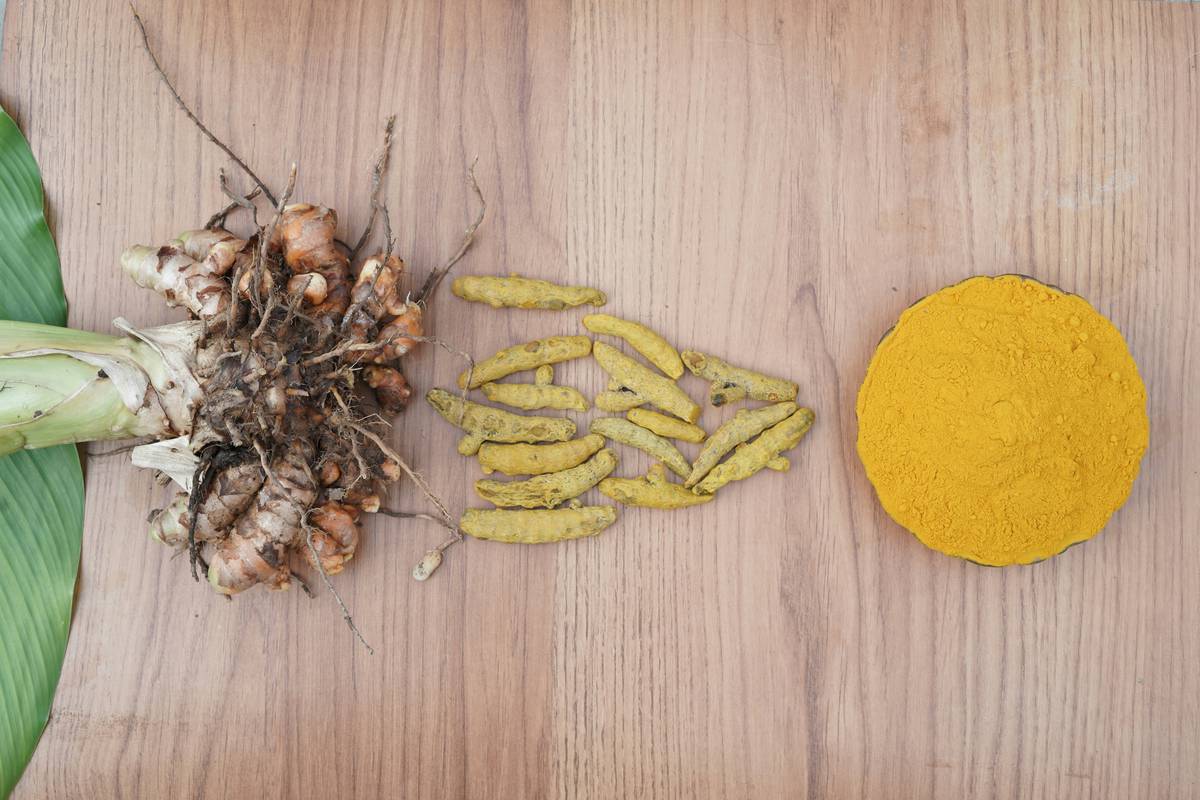
If your stomach gurgles like a swamp after every meal, you’re not alone. Millions struggle with bloating, gas, and sluggish digestion—especially when trying to lose weight or maintain wellness. But what if nature already packed a solution in your spice rack? Turmeric, that golden-orange root long revered in Ayurveda, isn’t just for curry. It’s a potent herbal aid for digestion—when used right. In this guide, we’ll cut through the hype and show you exactly how to leverage turmeric without falling into common traps that worsen gut health.
Table of Contents
- Why Digestive Herbs Matter in Weight Loss
- Step-by-Step Guide to Using Turmeric Safely
- Best Practices for Maximum Gut Benefits
- Real-World Results & Evidence
- Frequently Asked Questions
Key Takeaways
- Turmeric’s active compound, curcumin, reduces gut inflammation and supports enzyme activity.
- Pairing turmeric with black pepper boosts absorption by up to 2,000% (per Planta Medica).
- Avoid taking high-dose turmeric on an empty stomach—it can trigger acid reflux.
- Consistency beats mega-dosing: small daily servings outperform occasional large doses.
- Always consult your doctor before combining turmeric with blood thinners or diabetes meds.
Why Digestive Herbs Matter in Weight Loss
Poor digestion sabotages weight loss faster than late-night snacking. When your gut can’t break down food efficiently, toxins build up, metabolism slows, and cravings spike. That’s where gentle, plant-based support shines. Turmeric has been used for over 4,000 years in traditional medicine as an herbal aid for digestion, primarily due to curcumin’s anti-inflammatory effects on the gastrointestinal tract.
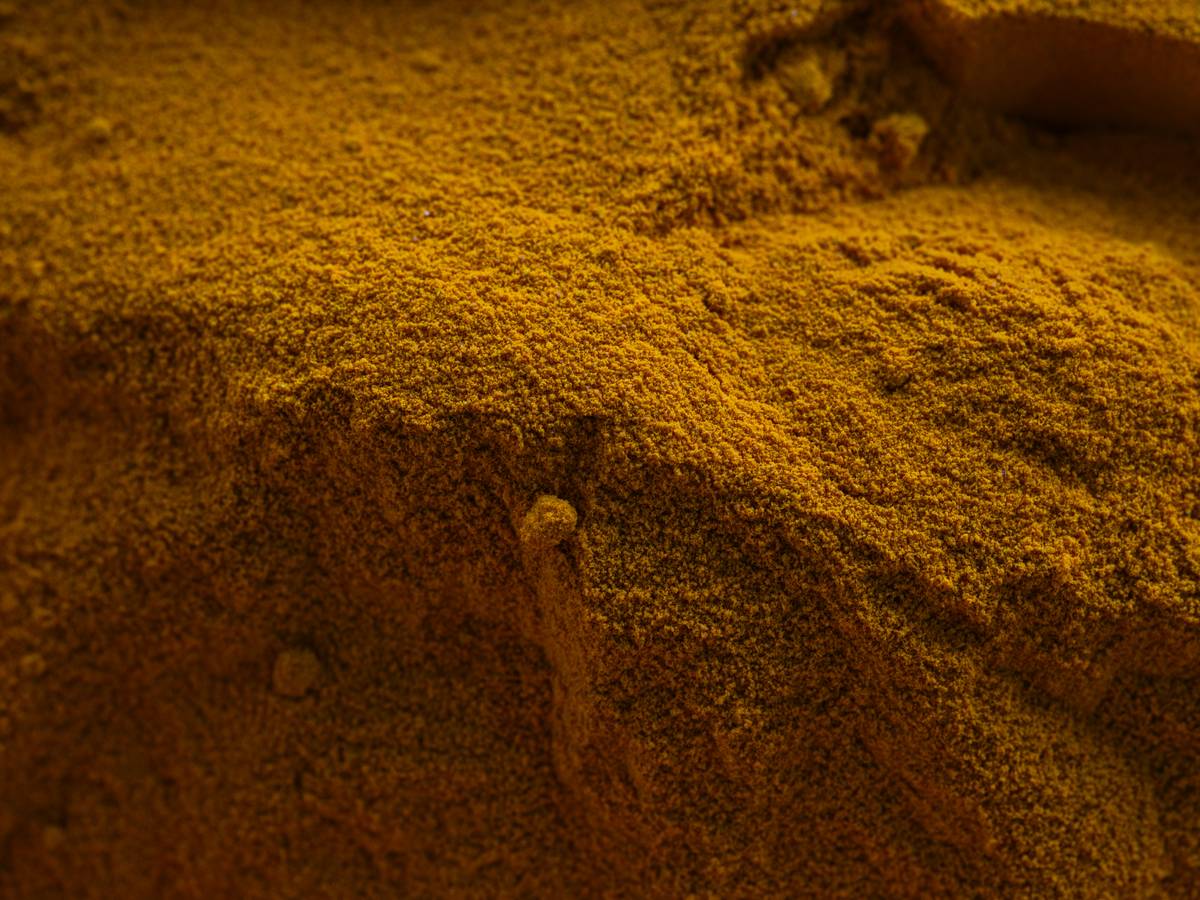
I learned this the hard way. A few years ago, I gulped down a “fat-burning” turmeric shot on an empty stomach before my morning run. Within 20 minutes, I was doubled over in heartburn so fierce I thought I’d punctured something. Turns out, high-dose curcumin without fat or food irritates the gastric lining. Lesson? Form matters as much as function.
Step-by-Step Guide to Using Turmeric Safely
Start Low, Go Slow
Begin with ¼ to ½ teaspoon of ground turmeric per day mixed into warm milk, oatmeal, or soup. Never exceed 1–3 grams daily unless under medical supervision.
Always Add Black Pepper
Piperine in black pepper enhances curcumin bioavailability. Sprinkle a pinch (about 1/20th of a teaspoon) alongside turmeric—no exceptions.
Consume With Healthy Fats
Curcumin is fat-soluble. Stir turmeric into avocado toast, coconut oil, or olive oil-based dressings to maximize uptake.
Best Practices for Maximum Gut Benefits
- Timing is key: Take turmeric with meals—not before or after—to prevent irritation.
- Avoid “miracle” supplements: Many capsules contain fillers that negate benefits. Opt for organic, third-party tested brands.
- Hydrate well: Turmeric binds water in the gut; drink at least 8 glasses daily to avoid constipation.
- Never replace meds: While turmeric supports digestion, it’s not a substitute for treating conditions like IBS or Crohn’s. See our About Us page to learn about our evidence-first approach.
And here’s a terrible tip I’ve seen online: “Drink turmeric straight with apple cider vinegar for rapid fat loss.” Don’t. This acidic combo can erode tooth enamel and inflame the esophagus. Real wellness isn’t about shortcuts—it’s about sustainable synergy.
Real-World Results & Evidence
In a 2020 randomized controlled trial published in Nutrients, participants who took 1 gram of curcumin daily for 8 weeks reported a 42% reduction in bloating and a 31% improvement in stool consistency compared to placebo. The National Center for Complementary and Integrative Health (NCCIH), part of the U.S. National Institutes of Health, acknowledges turmeric’s role in supporting digestive comfort when used appropriately (nccih.nih.gov).
One reader from Oregon shared that adding ½ tsp turmeric to her lentil soup nightly eliminated her post-dinner cramps within 10 days—no other changes. She now includes it in nearly every savory dish. Small habit, big relief.
Frequently Asked Questions
Can turmeric help with bloating?
Yes—curcumin reduces intestinal inflammation and modulates gut motility, easing gas and distension.
Is fresh turmeric better than powdered?
Fresh contains more volatile oils, but powdered is more consistent in curcumin content. Both work if dosed properly.
How quickly does turmeric improve digestion?
Most notice subtle shifts within 3–7 days; full benefits may take 2–4 weeks of daily use.
Does turmeric interfere with probiotics?
No—it actually supports a healthy microbiome. Pair it with fermented foods like yogurt or kimchi for synergy.
Can kids use turmeric as a herbal aid for digestion?
In culinary amounts (e.g., in food), yes. Avoid supplements for children under 12 without pediatric approval.
What’s the safest way to try turmeric if I have acid reflux?
Use minimal amounts (⅛ tsp) cooked into mild dishes like rice or mashed potatoes—never raw or in juices.
Ready to transform your gut health without gimmicks? Turmeric won’t magically melt fat—but as a gentle, time-tested herbal aid for digestion, it clears the path for real progress. For personalized guidance or to share your own journey, contact us. And remember: your privacy matters—review our Privacy Policy before sending health details.
Gut calm, not chaos—
one golden spoon at a time.