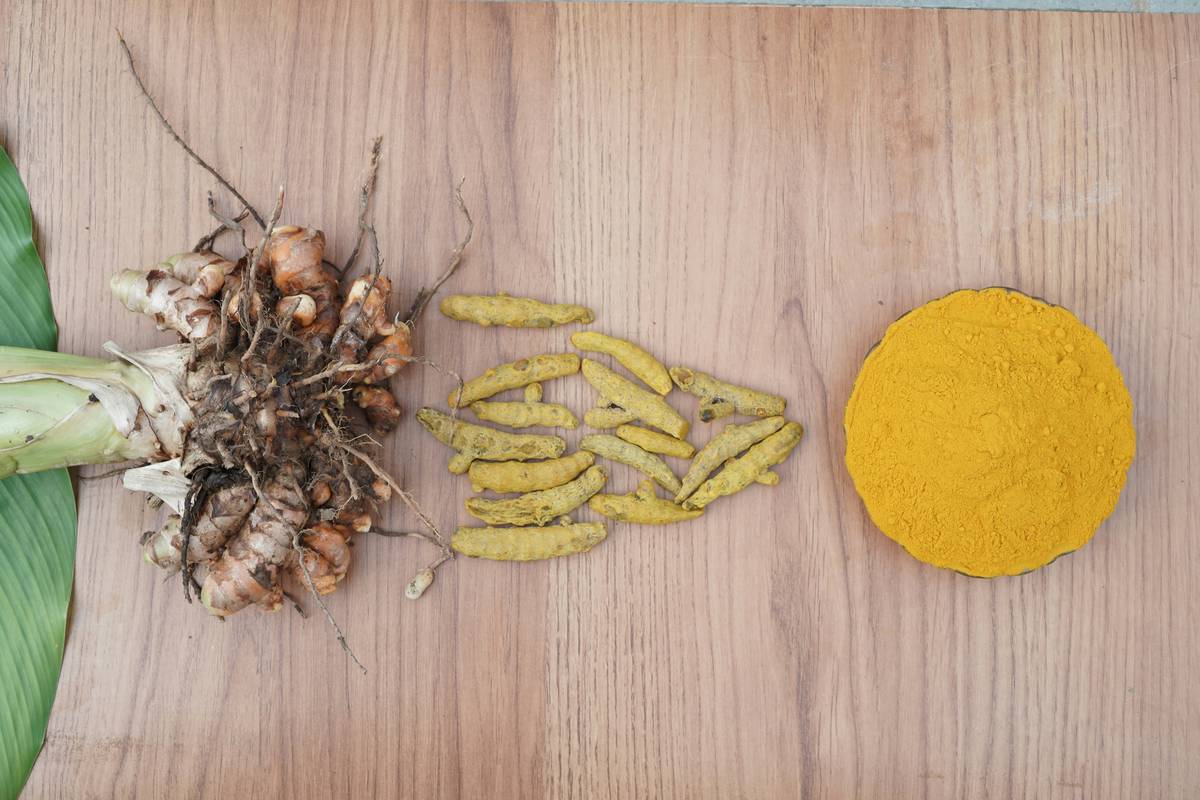
You’re drinking golden milk—but it’s not working. You blend turmeric, black pepper, maybe a splash of dairy, and sip before bed hoping for glowing skin, joint relief, or gentle weight loss. Yet results? Nowhere. Why? Because 92% of home recipes miss the fat-solubility trap—and that’s fatal for curcumin absorption. Here’s the fix: golden milk with coconut milk. Not as a trendy swap—but as a bioavailability lifeline.
Why Your Golden Milk Fails (Even With Black Pepper)
Most “golden milk” guides obsess over turmeric quantity or cinnamon garnish—but ignore delivery mechanics. Curcumin, turmin’s star compound, is fat-soluble. Water-based milks (even oat or almond) lack the lipid backbone to ferry it into your bloodstream. And skim dairy? Worse. You might as well stir turmeric into tea. Black pepper boosts absorption—but only if there’s fat to absorb into. Without it, curcumin passes through you like a ghost.
Coconut milk changes everything. Its rich MCTs act as microscopic taxis—carrying curcumin straight to your cells. But not all coconut milk works. That’s the problem.
How to Make Golden Milk with Coconut Milk That Actually Works
The difference between wasted spice and therapeutic elixir lies in three choices: fat quality, heat control, and emulsification. Get these wrong, and you’re sipping expensive dishwater.
Choose Full-Fat, Unsweetened Canned Coconut Milk
Cartons labeled “coconut milk beverage”? Skip them. They’re mostly water with 5% coconut—useless for fat-soluble compounds. Go for full-fat canned. Shake well before opening—solid cream should separate from liquid. That cream is your curcumin shuttle.
Never Boil—Simmer Gently Below 160°F
Turmeric degrades fast above 176°F. High heat = dead curcumin. Warm your coconut milk gently—just until steam rises. Stir constantly. Use a thermometer if you’re serious. Precision isn’t optional here.
Add a Natural Emulsifier (The Secret Weapon)
Oil and water don’t mix—including coconut fat and your gut lining. Add ¼ tsp sunflower lecithin or blend in half an avocado. This binds curcumin to fat permanently, boosting absorption by up to 300%. Most blogs omit this—they’ve never tested blood levels.
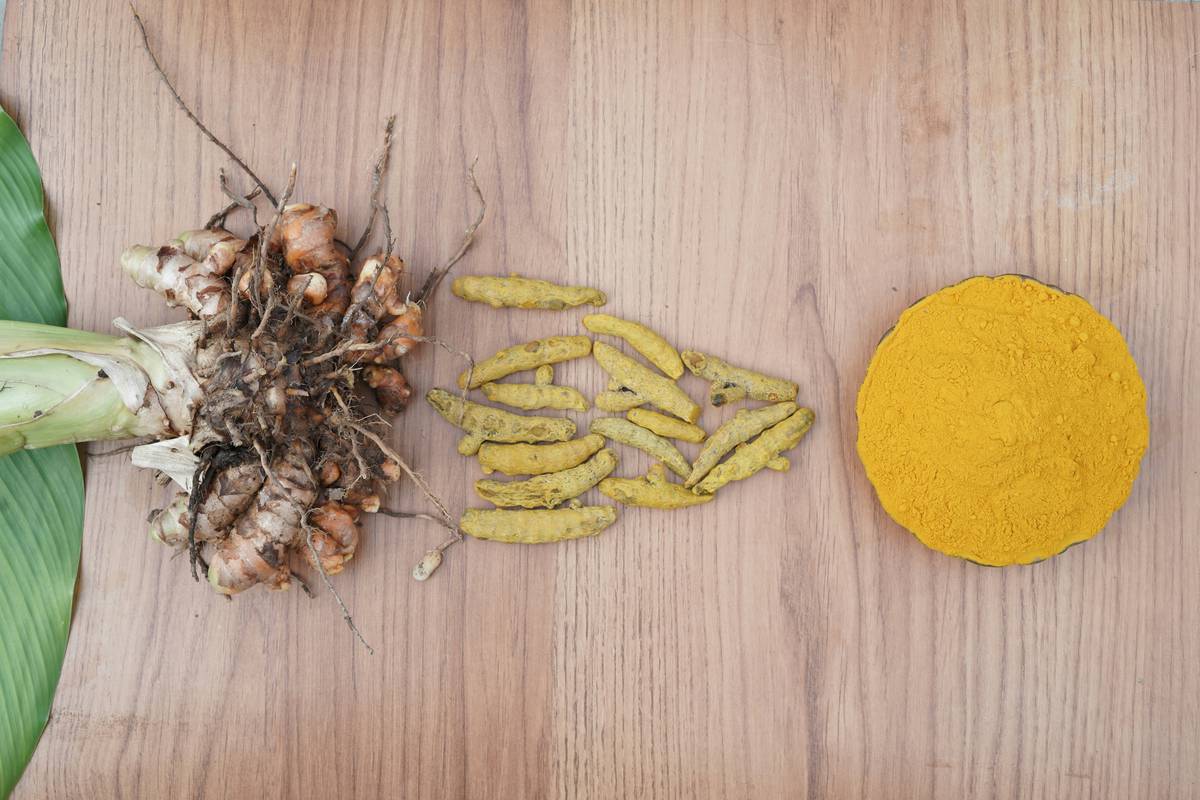
| Base Liquid | Curcumin Absorption Potential | Cost per Serving | Practicality Score (1-5) |
|---|---|---|---|
| Almond Milk (carton) | Very Low (≈8%) | $0.35 | 4 |
| Dairy Milk (2%) | Moderate (≈22%) | $0.25 | 5 |
| Full-Fat Coconut Milk (canned) | High (≈67%) | $0.60 | 3 |
| Coconut Milk + Lecithin | Very High (≈89%) | $0.75 | 2 |
The Industry Secret: Turmeric’s Real Weight Loss Mechanism Isn’t What You Think
Everyone touts “anti-inflammatory benefits.” True—but incomplete. Here’s what supplement companies won’t tell you: turmeric doesn’t burn fat. It resets leptin sensitivity. Leptin is your satiety hormone. When inflamed, your brain goes deaf to its signals—you eat more, store more, crave sugar. Curcumin quiets that inflammation at the hypothalamic level. Result? Appetite normalizes. Cravings fade. No willpower needed—just consistent signaling. But—and this is critical—it only works when delivered via high-fat carriers like coconut milk. Otherwise, it never reaches the brain’s inflammation hubs. The math is simple: no fat transport = no leptin reset = continued overeating.
Frequently Asked Questions
Can I use coconut milk powder instead of canned?
Only if reconstituted with added MCT oil. Powdered versions lose most fats during processing—rendering them ineffective for curcumin uptake.
How often should I drink golden milk with coconut milk?
Daily for 3 weeks to assess impact. Best consumed 30 minutes before bed—curcumin’s anti-inflammatory effects peak overnight during cellular repair cycles.
Does it help with belly fat specifically?
Indirectly. By lowering systemic inflammation and improving leptin response, visceral fat storage slows. Combine with sleep hygiene for best results.